Practical Home Building & Renovation Tips

Guidance from TRF CONSTRUCTION LTD to help you plan, budget, and manage your domestic building project in England with confidence.

Address
TRF CONSTRUCTION LTD, 11 Claremont Road, Teddington, England, TW11 8DH

Domestic construction guidance

Plan your next project the smart way

From first ideas to post-completion care, these tips complement our process and workflow pages.

  • Understand what to do before you contact a builder.
  • Avoid common causes of delays and cost overruns.
  • Make informed design, specification, and budget decisions.
See planning guidance

1. Expert Tips for Planning Your Construction Project

Set your project up for success by clarifying what you want to achieve, how much you can invest, and how you will work with your contractor.

Begin with clear goals

Define the problem you are solving, not just the space you are adding.

  • Identify priorities: more bedrooms, a larger kitchen, better flow, or improved energy performance.
  • Consider lifestyle: how you work, relax, cook, and entertain should drive the layout.
  • Think long term: allow for future family changes, accessibility, and resale appeal.

Writing a short brief before speaking to builders or designers will help you compare proposals fairly and keep the project focused.

Outline budget and scope early

Realistic figures avoid disappointment later in the process.

  • Decide a target budget and an absolute maximum.
  • List must-haves and nice-to-haves so scope can flex if needed.
  • Include allowances for professional fees, planning applications, surveys, and contingency (typically 10–15%).

Use our contact form to discuss rough cost ranges for your ideas before committing to detailed designs.

2. Understanding Building Regulations and Permits in England

Most domestic building work in England must comply with Building Regulations and, in some cases, obtain planning permission or other consents.

Key approvals to consider

  • Planning Permission: required for many extensions, loft conversions that alter the roof shape, and major changes to appearance or use. Some work falls under permitted development, but rules are specific.
  • Building Regulations approval: covers structural safety, fire safety, insulation, ventilation, drainage, and more. Most structural work, conversions, and extensions require this.
  • Party Wall matters: work near or on a shared boundary may require notices under the Party Wall etc. Act 1996.

How TRF CONSTRUCTION LTD can help

  • Review your proposals against typical planning and Building Regulations requirements.
  • Work with your chosen architect or designer to make buildable, compliant details.
  • Sequence work to align with inspections from Building Control.

For more detail on how approvals fit into a project, see our Planning and Workflow pages.

Avoid common approval delays

  • Submit complete, accurate drawings and structural calculations where required.
  • Allow generous time in your programme for approvals and possible revisions.
  • Engage neighbours early if your work may affect light, privacy, or shared structures.

If you are unsure which approvals you need, discuss this during your initial consultation with our team.

3. Maximizing Space and Light in Your Home

Thoughtful design can make your home feel larger, brighter, and more comfortable without necessarily adding huge amounts of floor area.

Bright modern home interior with large windows and natural light

Design strategies for extensions, lofts, and refurbishments

  • Prioritise glazing in the right places: rooflights over kitchens, large patio doors to gardens, and internal windows to borrow light.
  • Use open-plan carefully: combine kitchen, dining, and living zones, but keep subtle separation through changes in floor level, lighting, or joinery.
  • Improve circulation: reconfigure hallways and doors so rooms connect logically and daylight flows between spaces.
  • Choose light finishes: paler walls, ceilings, and flooring reflect daylight and make rooms feel larger.

During our design and pricing discussions, we can suggest layout tweaks that maximise space and light within your budget. Explore real examples on our Projects page.

4. Energy Efficiency Essentials for Modern Homes

Upgrading the fabric and services of your home during building works can dramatically cut running costs and improve comfort.

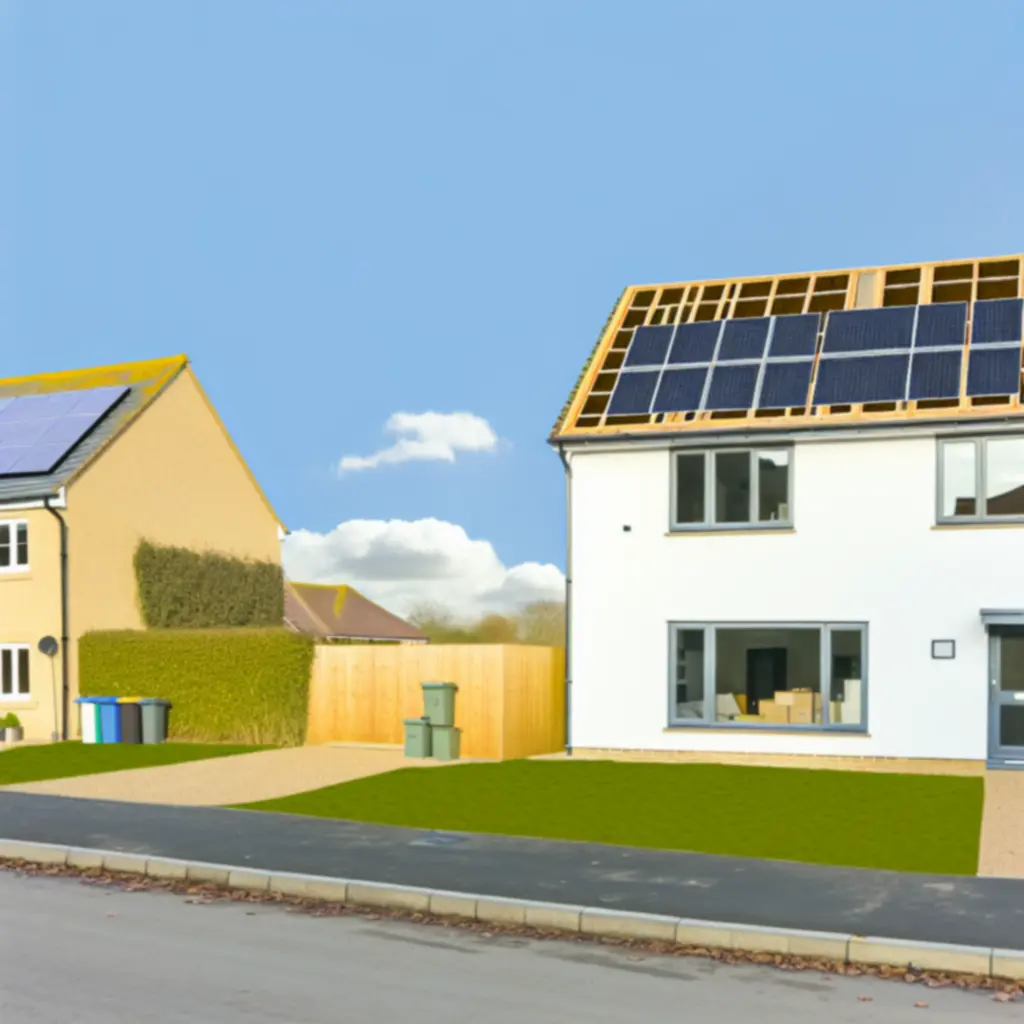
Illustration of an energy efficient modern home

Key upgrades to discuss with your builder

  • Insulation: improve walls, roofs, and floors to meet or exceed current standards. Good insulation is often the best long-term investment.
  • Windows and doors: opt for double or high-performance triple glazing with quality installation to minimise drafts.
  • Heating and hot water: modern boilers, underfloor heating, or low-temperature systems paired with good controls boost efficiency.
  • Ventilation: ensure adequate ventilation, potentially with heat recovery systems, to prevent condensation and maintain air quality.
  • Materials: consider sustainably sourced timber, recycled products, and low-VOC paints where appropriate.

We can build energy upgrades into your service package so they are priced and scheduled alongside the main works, rather than added as last-minute extras.

5. Budgeting and Avoiding Cost Overruns

Careful financial planning, transparent quotations, and controlled changes will help you keep your project on budget.

Build a realistic budget

  • Base your expectations on current market rates, not old projects or hearsay.
  • Check what is included for fixtures, fittings, and finishes (often called PC sums or allowances).
  • Allocate a contingency of at least 10–15% for unforeseen issues or upgrades you decide to add.

Control design changes

  • Freeze key decisions (layout, structure, windows, kitchen) before work starts on site.
  • Where changes are necessary, request written variation quotes before instructing work.
  • Understand that late changes often affect not just cost but also programme and sequencing.

How we help you stay on track

  • Provide clear, itemised quotations so you can see where funds are allocated.
  • Highlight cost drivers and offer alternatives where appropriate.
  • Communicate promptly about any issues that could affect cost or timing.

To talk through your budget ideas, get in touch via our Contact Us page.

6. Construction Timelines: What to Expect

Understanding typical timescales and milestones will help you plan around your build and minimise disruption.

1

Pre-construction: 4–12+ weeks

Concept design, planning applications (where required), structural design, detailed quotations, and scheduling. Larger or more complex schemes may take longer, particularly if approvals are needed.

2

Site preparation and structural work

Typically several weeks for extensions and loft conversions, including foundations, steelwork, and main structure. This phase can be noisy and disruptive but is where progress is most visible.

3

First fix and enclosure

Roofing, windows, doors, and initial plumbing and electrical runs. The building becomes weather-tight, and internal layouts start to take shape.

4

Second fix and finishes

Plastering, joinery, kitchens, bathrooms, tiling, final electrics, and decoration. This stage is detail-focused and can feel slower, but it delivers the finished look.

5

Snagging and handover

Final checks, resolving minor defects, commissioning systems, and handing over documentation. We walk through the project with you to confirm satisfaction.

For a more detailed breakdown of how we manage programmes and milestones, visit our Workflow and Process pages.

7. Working Successfully with Your Contractor

Open communication, clear documentation, and mutual respect are the foundations of a smooth building experience.

Contractor and homeowner discussing building plans at a table

Collaboration tips from consultation to completion

  • Clarify expectations early: agree scope, specification, programme, and site rules (working hours, access, protection of existing areas).
  • Use a single main contact: simplify communication by agreeing who on each side will coordinate queries and decisions.
  • Hold regular check-ins: short weekly site meetings help catch issues early and keep everyone aligned.
  • Keep records: save emails, drawings, and approved changes so there is a shared reference point.
  • Be realistic: weather, supply chain issues, and hidden conditions can affect progress; a collaborative approach leads to better outcomes.

To discuss how we manage communication on live projects, explore client feedback on our Testimonials page or contact us for an initial chat.

8. Maintaining and Caring for Your New Space

Good aftercare protects your investment and keeps your refurbished or newly built spaces looking their best.

Immediately after completion

  • Let the building dry: new plaster and timber need time to dry and settle. Expect some minor shrinkage cracks, which can be filled during normal redecoration.
  • Ventilate regularly: open windows or use mechanical ventilation to remove excess moisture.
  • Follow manuals: read and keep all operation manuals and warranties for appliances, boilers, and specialist systems.

Long-term maintenance routines

  • Schedule annual servicing for boilers and key mechanical systems.
  • Check external elements such as gutters, roofs, sealants, and paintwork at least once a year.
  • Address small issues early—for example, re-sealing around showers or repainting exposed timber—to avoid more costly repairs later.

If you have questions after your project completes, you can always reach us at [email protected] or via the Contact Us page.

Ready to put these tips into action?

Whether you are planning a new build, extension, loft conversion, or full renovation, TRF CONSTRUCTION LTD can guide you from first ideas through to a finished home.